
Pledge Status
Active
Pledge Date
Wednesday, April 15, 2026
Program Year
2026
Links and Uploads
View Links and UploadsAction Item Report

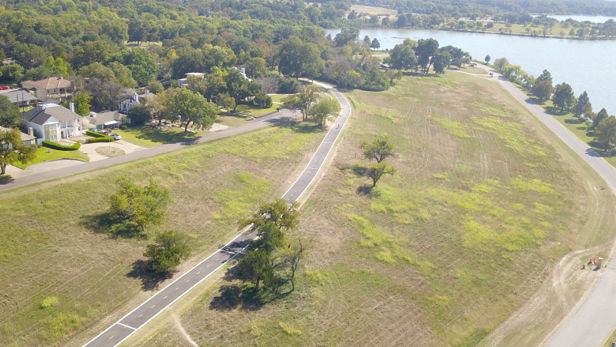
Community Spotlight
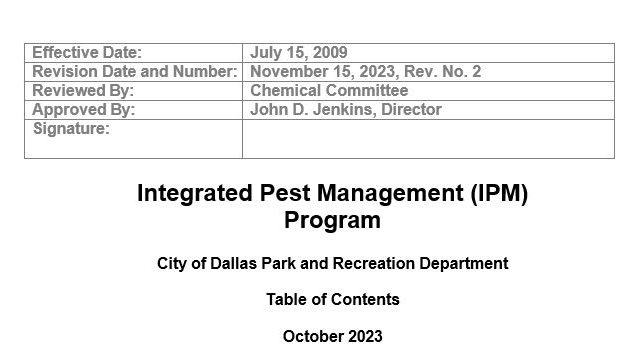
Update to Dallas Parks IPM Plan
In 2023, the Dallas Park and Recreation Department start and should complete a review of the Department's Integrated Pest Management (IPM) plan. This effort should lead to more environmentally friendly practices.
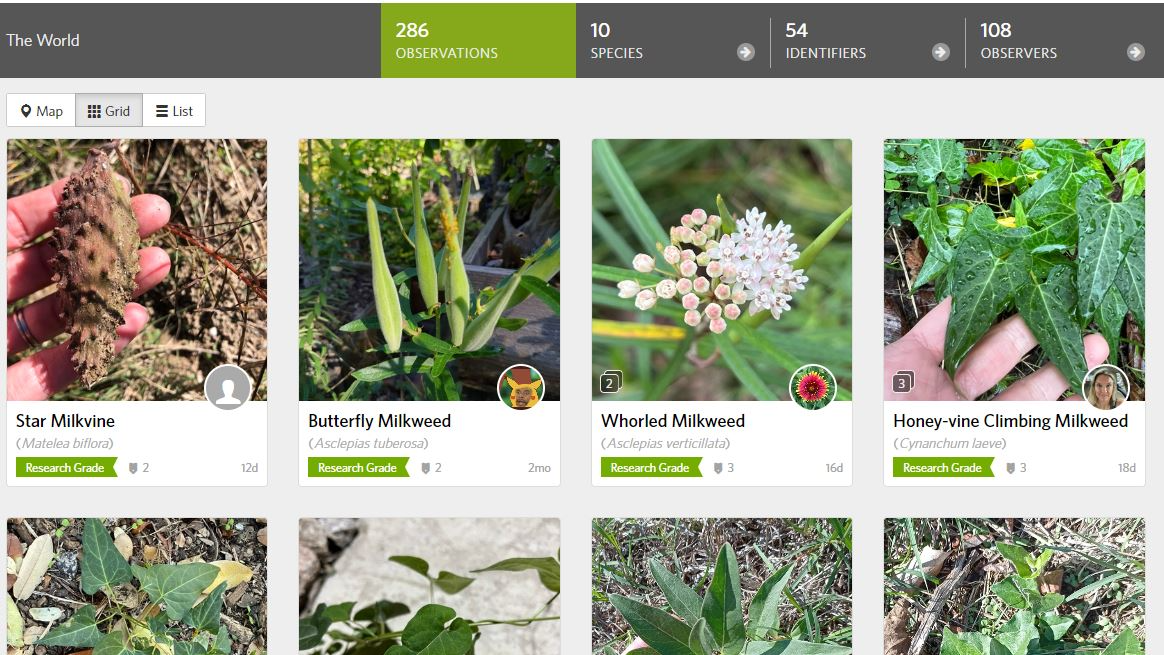
2023 BioBlitz Plant Surveys
In 2023, Community Scientists entered over 1,100 species of plants including 10 species of milkweed or milkweed associates. This is critical to pollinator conservation.
Learn More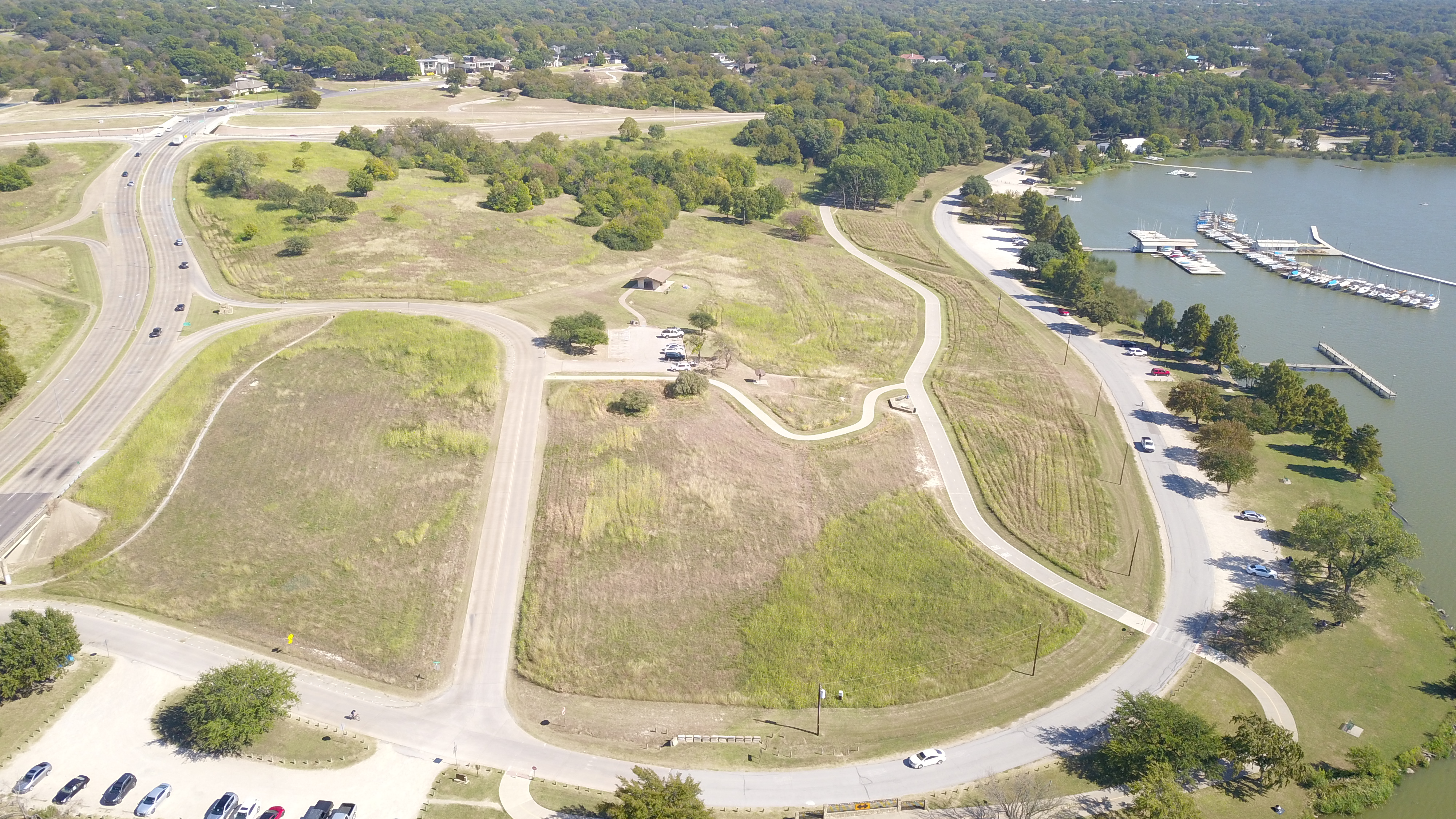
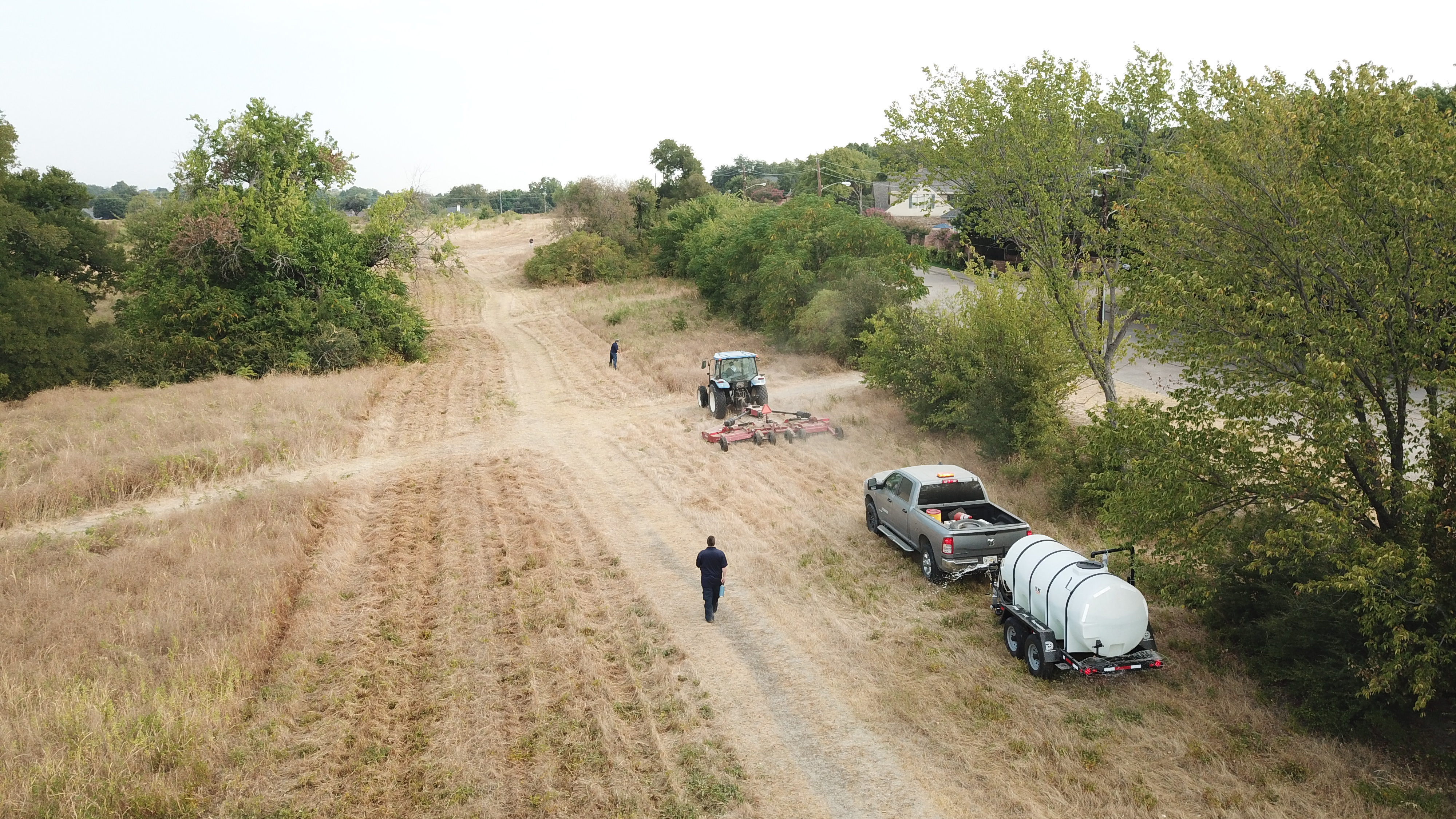
Prairie Management 2023
The City of Dallas continues to work on the management and restoration of ~200 acres of blackland prairie. Prairie units are critical to pollinator conservation.
Parks Conservation Team
In 2023, the Park and Recreation Department hired a second biologist, and Supervisor-Pesticide Applicator. These new positions will help implement plans like the updated IPM plan, Urban Forest Master Plan, and CECAP habitat initiatives.
Learn More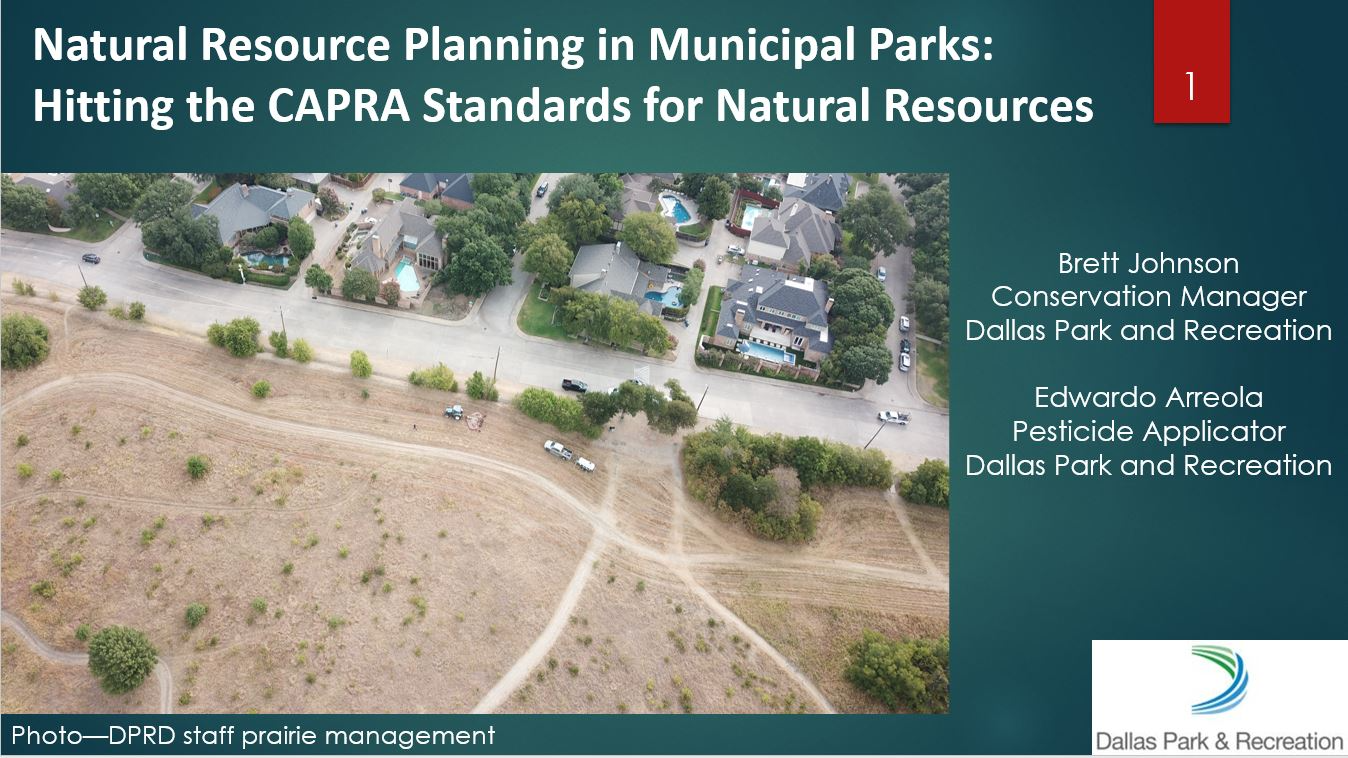
Conservation Outreach 2023
City staff conducted over 50 presentations on a variety of conservation topics from local garden clubs to national convention audiences. Topics included pollinator conservation, prairie management, Emerald Ash borer, and natural resource planning.
Forestry Technical Team
Interdepartmental task force to implement the Urban Forest Master Plan, and coordinate conservation efforts across departments. Coordinates tree planting efforts, conservation related presentations, and works with external stakeholders.
Learn MoreAction Items Committed for 2026
- Engage with community garden groups and urge them to plant native milkweeds and nectar-producing plants.
- Engage with city parks and recreation, public works, sustainability, and other relevant staff to identify opportunities to revise and maintain mowing programs and milkweed / native nectar plant planting programs.
- Engage with gardening leaders and partners (e.g., Master Naturalists, Master Gardeners, Nature Centers, Native Plant Society Chapters , other long-standing and influential community leaders) to support monarch butterfly conservation.
- Engage with developers, planners, landscape architects, and other community leaders and organizers engaged in planning processes to identify opportunities to create monarch habitat.
- Host or support a native seed or plant sale, giveaway or swap.
- Facilitate or support a milkweed seed collection and propagation effort.
- Plant or maintain a monarch and pollinator-friendly demonstration garden at City Hall or another prominent or culturally significant community location.
- Plant milkweed and pollinator-friendly native nectar plants along roadsides, medians, or public rights-of-way.
- Launch or maintain an outdoor education program(s) (e.g., at schools, after-school programs, community centers and groups) that builds awareness and creates habitat by engaging students, educators, and the community in planting native milkweed and pollinator-friendly native nectar plants (i.e., National Wildlife Federation’s Schoolyard Habitats program and Monarch Mission curriculum).
- Initiate or support community science (or citizen science) efforts that help monitor monarch migration and health.
- Add or maintain native milkweed and nectar-producing plants in gardens in the community.
- Launch, expand, or continue an invasive species removal program that will support the re-establishment of native habitat for monarch butterflies and other pollinators.
- Display educational signage at monarch gardens and pollinator habitat.
- Change weed or mowing ordinances to allow for native prairie and plant habitats.
- Increase the percentage of native plants, shrubs and trees that must be used in city landscaping ordinances and encourage use of milkweed, where appropriate.
- Launch, expand, or continue an effort to change municipal planting ordinances and practices to include more native milkweed and native nectar producing plants at city properties.
- Integrate monarch butterfly conservation into the city’s Park Master Plan, Sustainability Plan, Climate Resiliency Plan or other city plans.
- Reduce or eliminate the use of herbicides, pesticides, or other chemicals that are harmful to monarchs and pollinators and urban wildlife.
Past Pledge Archive
| Mayor Name | Program Year | Pledge Date | Achievement | |
|---|---|---|---|---|
| Mayor Eric Johnson | 2026 | 4/15/2026 | View Pledge | |
| Mayor Eric Johnson | 2025 | 2/19/2025 | View Pledge | |
| Mayor of Dallas Eric Johnson | 2023 | 4/27/2023 | Leadership Circle | View Pledge |


