
Pledge Status
Complete
Pledge Date
Friday, March 21, 2025
Program Year
2025
Achievement

2025
Links and Uploads
View Links and UploadsAction Item Report

Community Spotlight
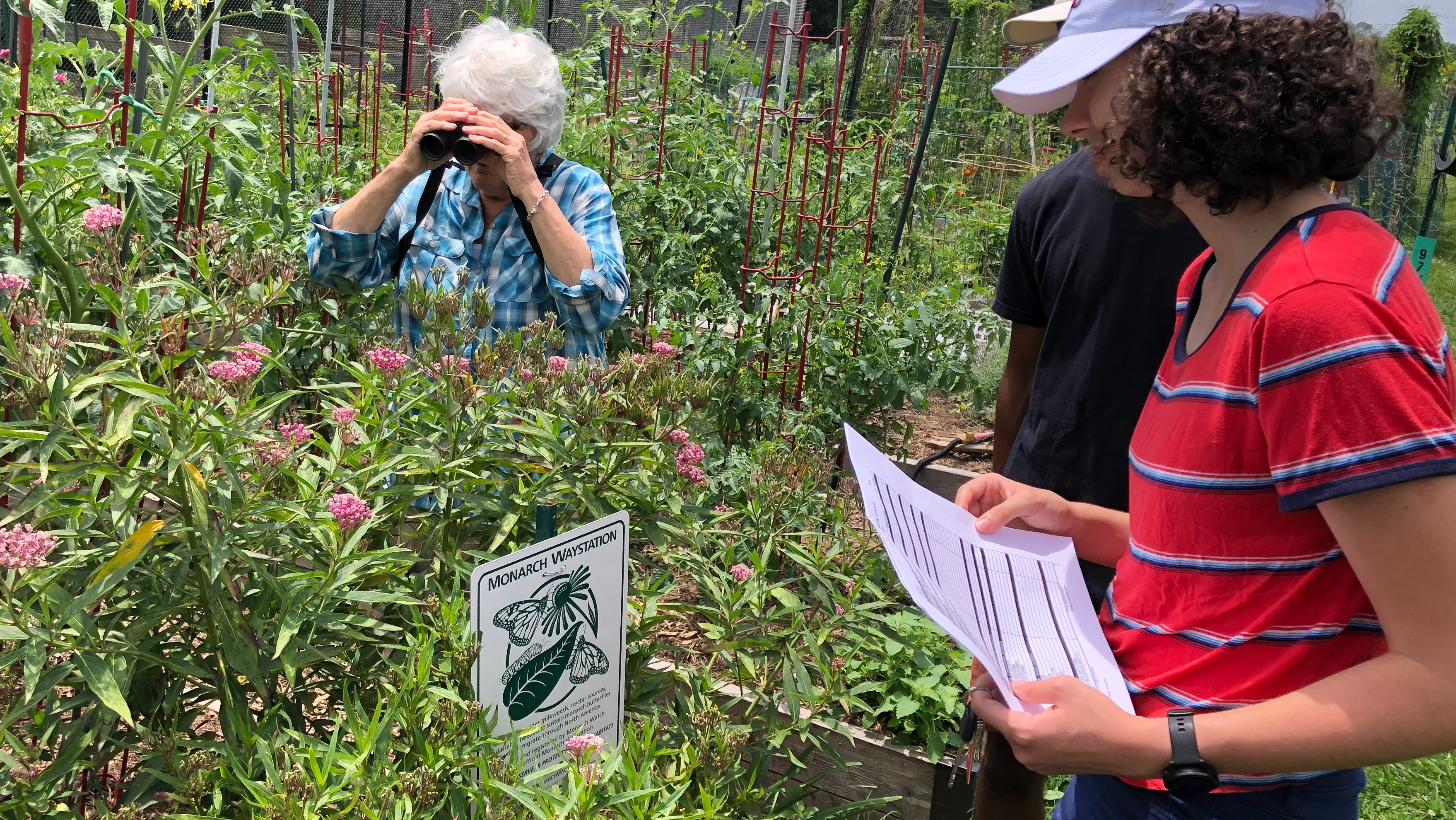
Reston Annual Butterfly Count
Reston has conducted an Annual Butterfly Count since 1994. One place to look for Monarchs is the Golf Course Island Community Gardens where there is a Monarch Waystation, filled with milkweed plants. Each year, volunteers assist staff with the count.
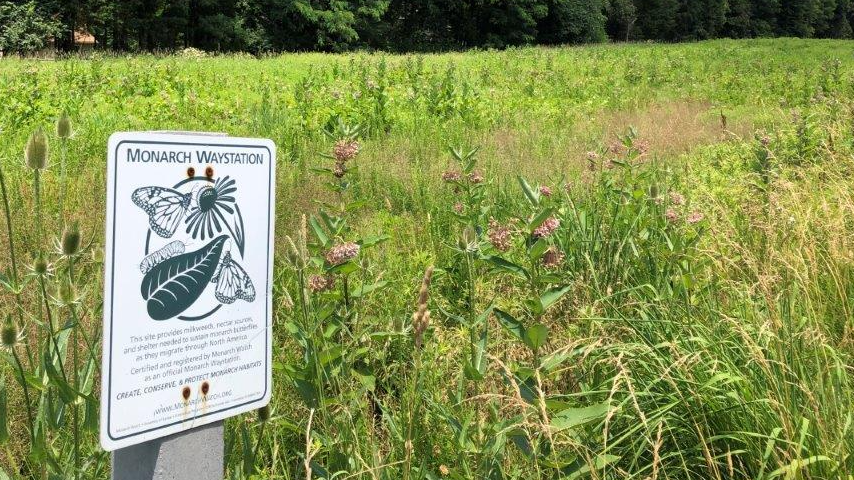
Monarch Waystations
Reston has 18 certified Monarch Waystations by Monarch Watch. These sites provide milkweeds, nectar sources and shelter needed to sustain Monarch butterflies as they migrate through North America.
Learn MoreAction Items Committed for 2025
- Host or support a native seed or plant sale, giveaway or swap.
- Plant or maintain a monarch and pollinator-friendly demonstration garden at City Hall or another prominent or culturally significant community location.
- Earn or maintain recognition for being a wildlife-friendly city by participating in other wildlife and habitat conservation efforts (i.e., National Wildlife Federation’s Community Wildlife Habitat program).
- Initiate or support community science (or citizen science) efforts that help monitor monarch migration and health.
- Display educational signage at monarch gardens and pollinator habitat.
Past Pledge Archive
| Mayor Name | Program Year | Pledge Date | Achievement | |
|---|---|---|---|---|
| Acting Chief Executive Officer - Reston Association Peter Lusk | 2026 | 3/17/2026 | View Pledge | |
| Chief Executive Officer - Reston Association Mac Cummins | 2025 | 3/21/2025 | Signatories | View Pledge |
| Chief Executive Officer Larry Butler | 2022 | 12/16/2021 | Leadership Circle | View Pledge |
| Chief Executive Officer Larry Butler | 2021 | 3/26/2021 | Leadership Circle | View Pledge |


