
Pledge Status
Complete
Pledge Date
Wednesday, January 19, 2022
Program Year
2022
Achievement

2022
Links and Uploads
View Links and UploadsAction Item Report


Community Spotlight

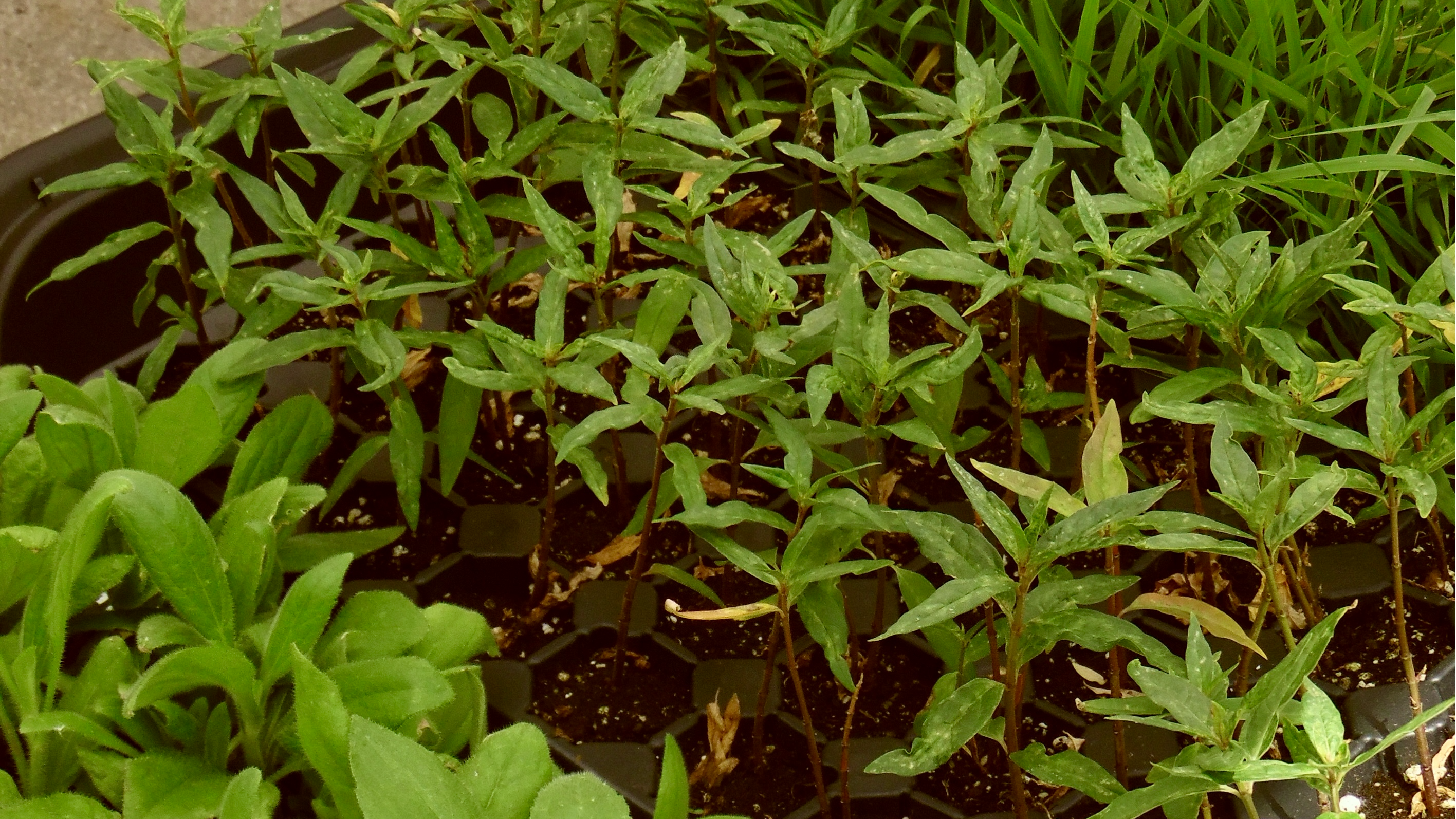
Free Signs for Monarch Gardens
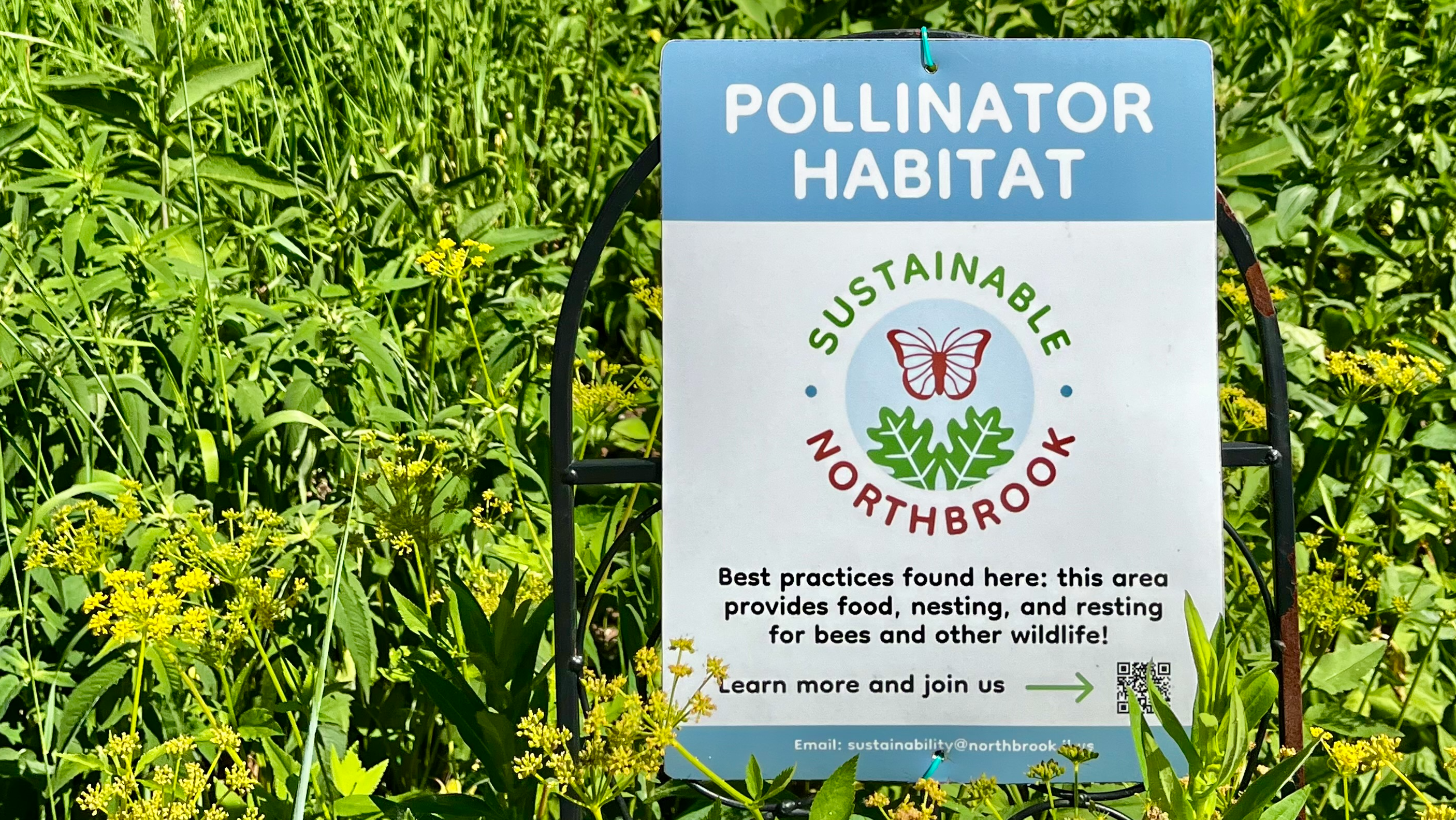
In Northbrook, residential gardens that sustain Monarchs during their annual migration are eligible to receive a “Let’s Make Northbrook a Monarch Way Station” garden sign.
Learn More
Earth-Friendly Food Growing Education
Northbrook installed a vegetable garden between our Village Hall and Library that provides educational workshops to inform residents on how to grow food without pesticides. The harvest is donated to our local food pantry.

Invasive Species Removal Programs
In 2023, Northbrook advanced its invasive species removal initiative by launching a Village webpage with guidelines for identifying and removing invasive plants, and started a comprehensive enforcement program for better compliance.
Learn More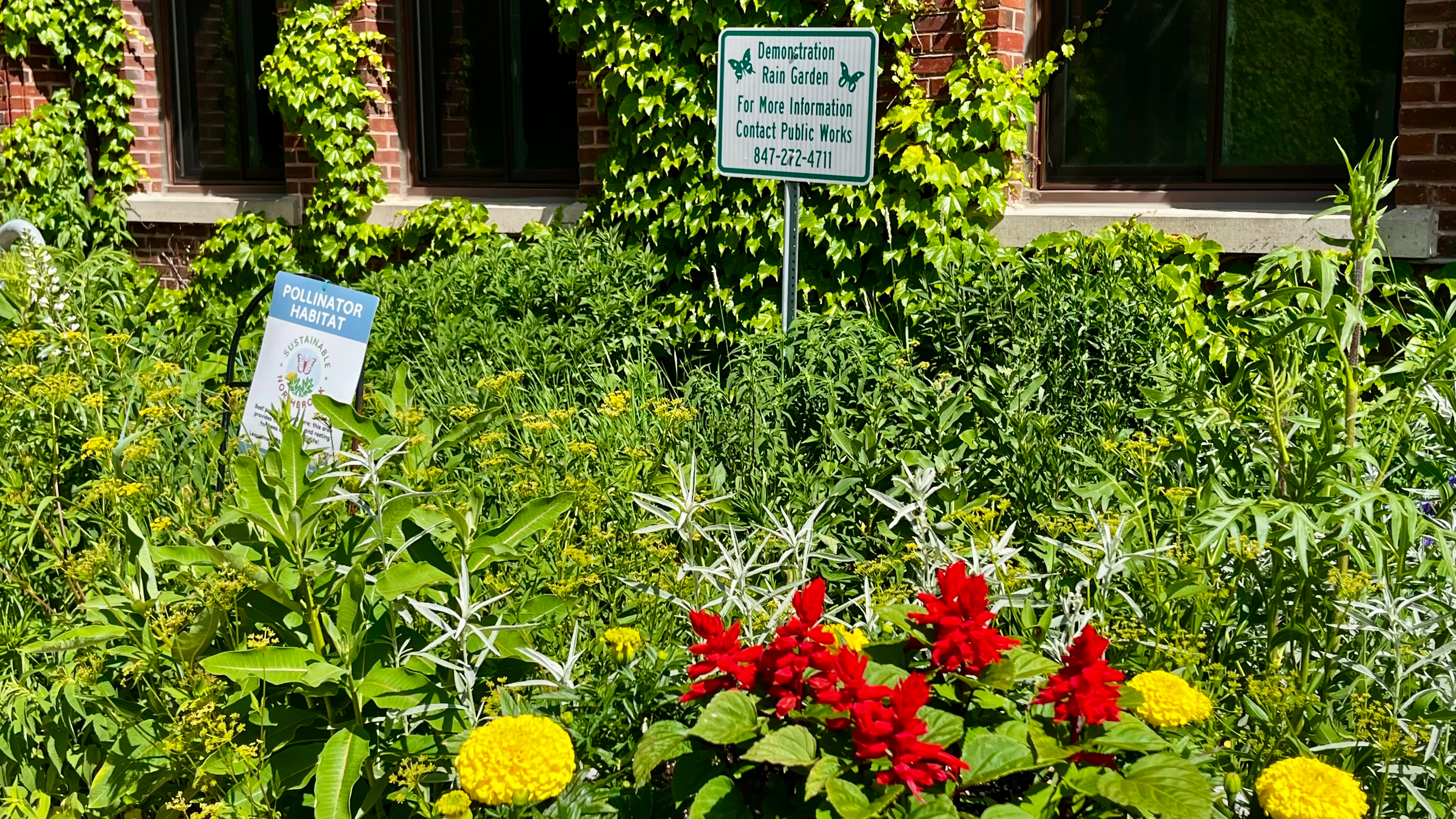
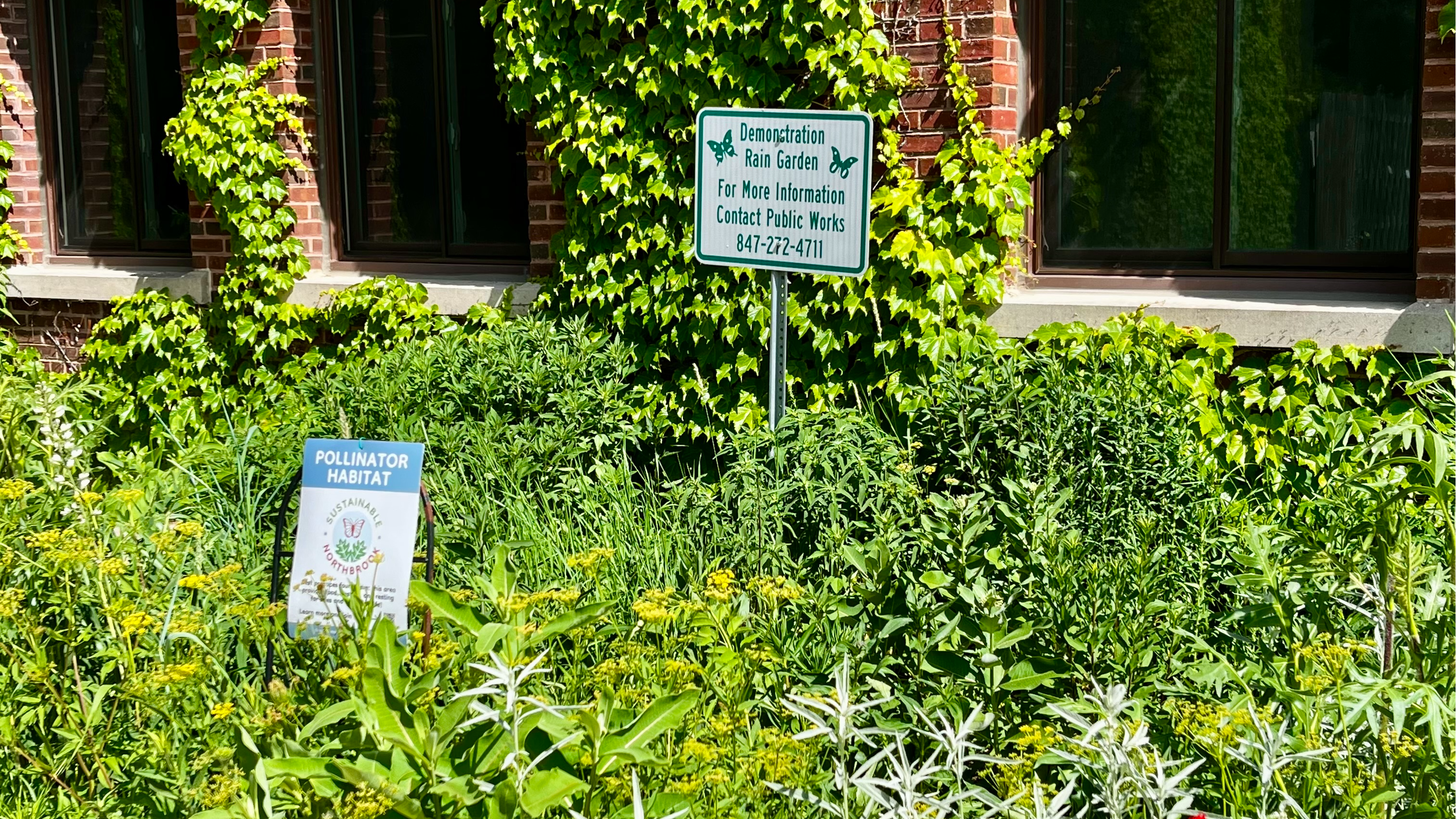
Village Hall Demonstration Rain Garden
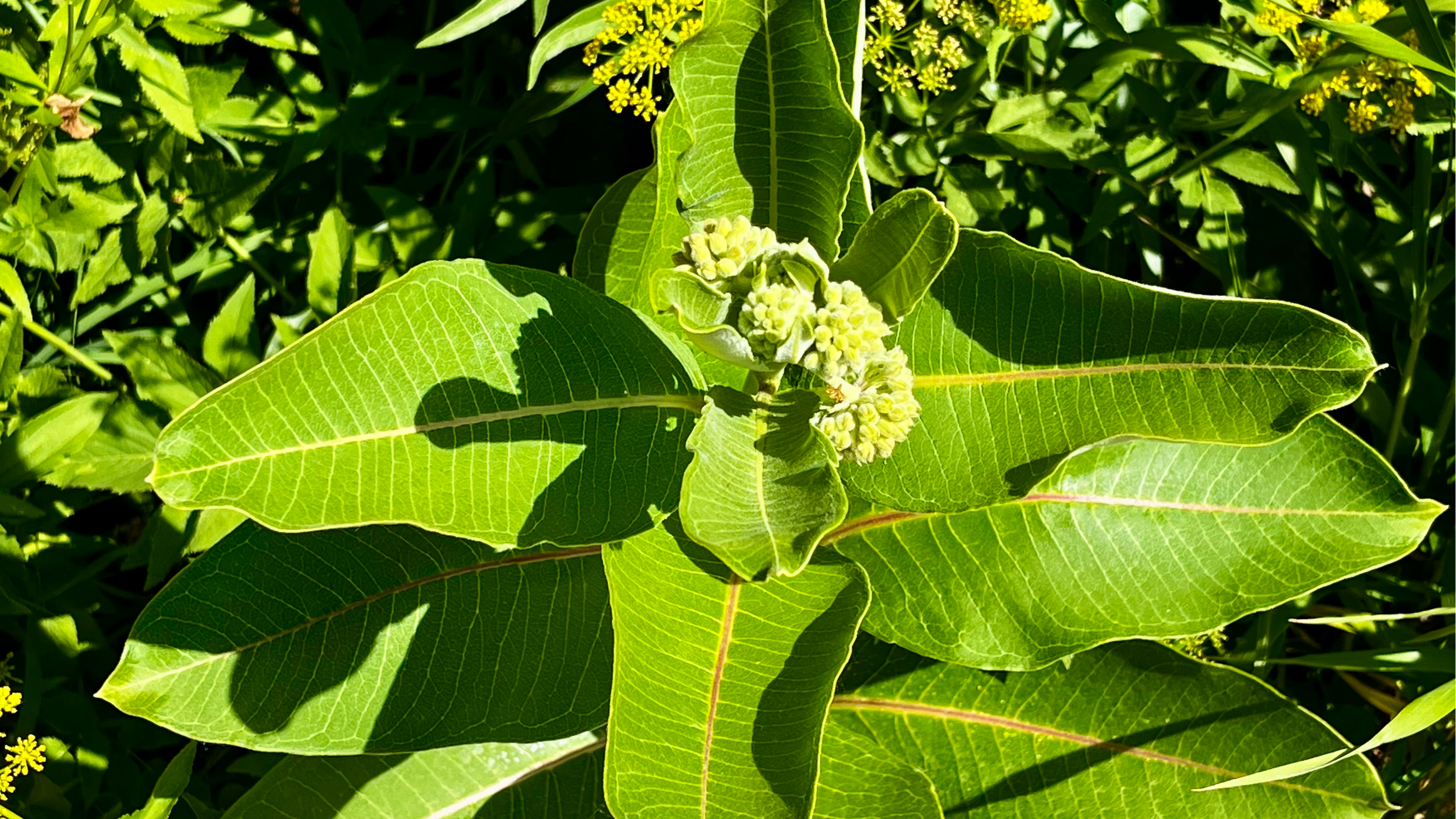
The Village Hall Demonstration Garden was revitalized in 2020 as part of the Mayors Monarch Pledge, featuring diverse native plants and is being monitored through the Field Museum's Community Science Monarch project.
Learn More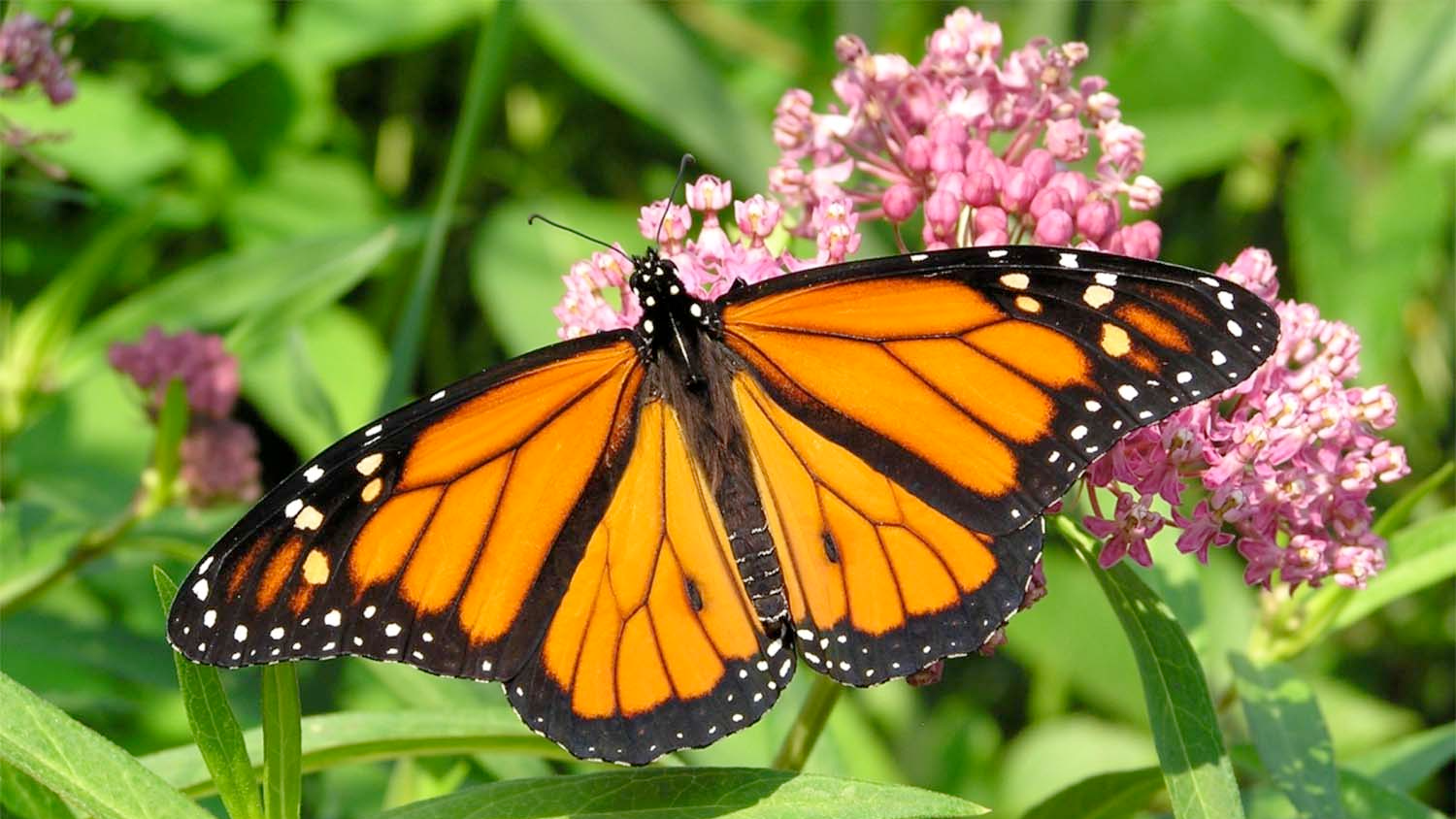
Sustainable Pest Management Policy
Beginning summer 2023, all Village-maintained landscaping shall comply with a sustainability policy to curb the usage of pesticides and inorganic fertilizers.
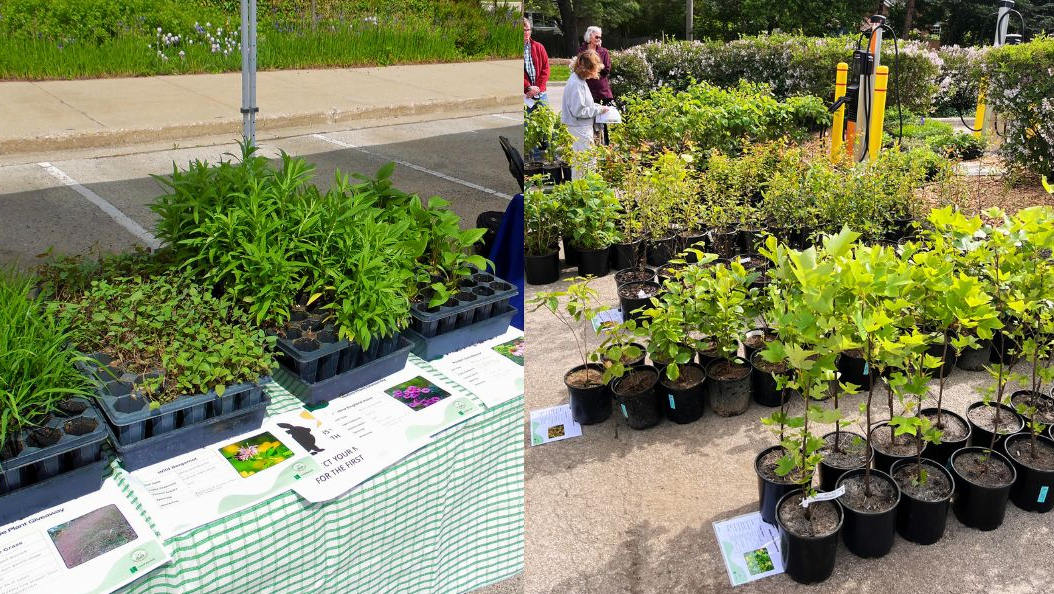
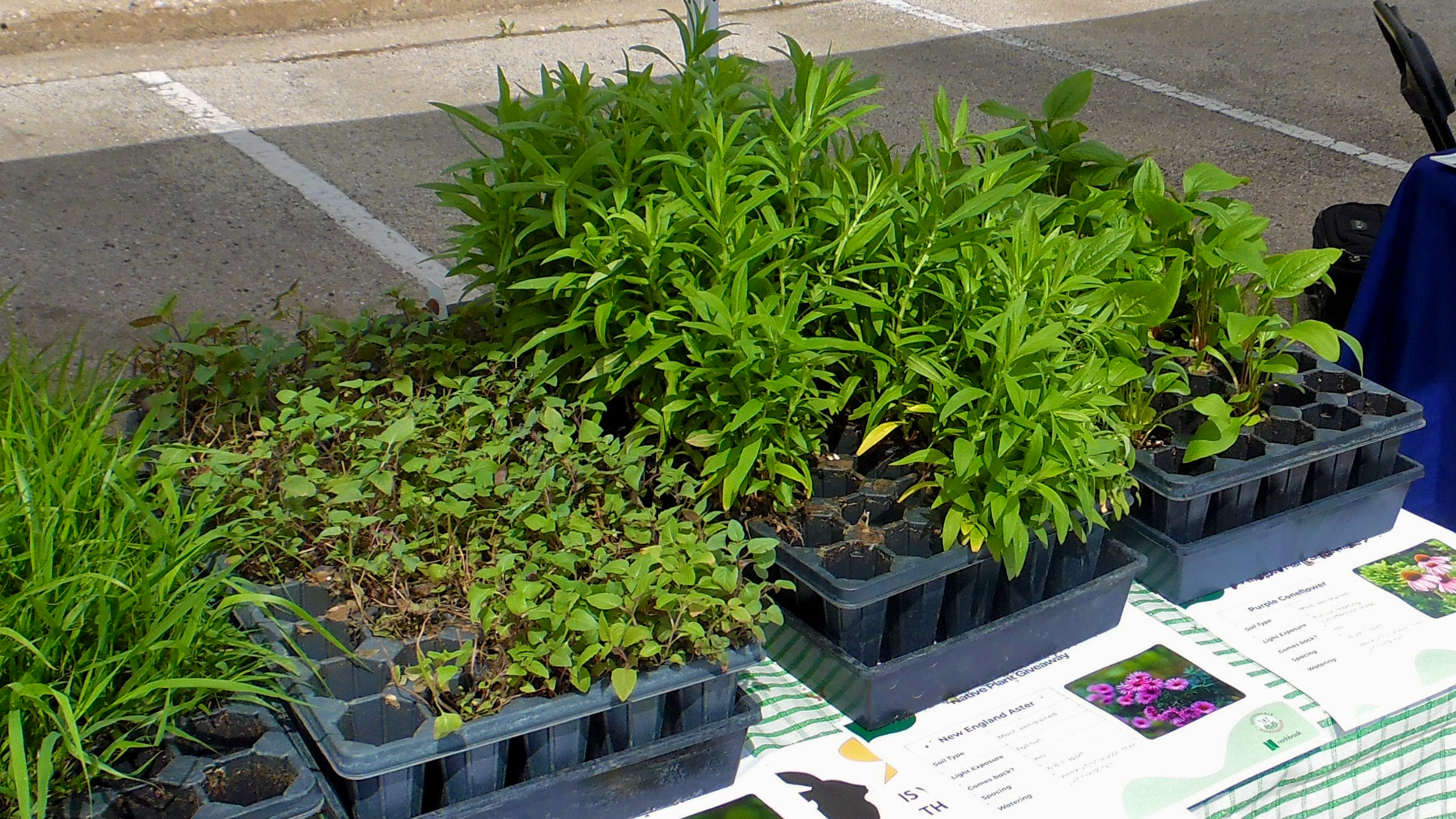
Native Plant Giveaways
In 2026, the Village distributed 210 native trees and shrubs, along with 644 native plant plugs.
Action Items Committed for 2022
- Issue a proclamation to raise awareness about the decline of the monarch butterfly and the species’ need for habitat. This proclamation must incorporate a focus on monarch conservation.
- Create a community art project to enhance and promote monarch and pollinator conservation as well as cultural awareness and recognition.
- Create a community-driven educational conservation strategy, initiative, or practice that focuses on and benefits local, underserved residents.
- Engage with developers, planners, landscape architects, and other community leaders and organizers engaged in planning processes to identify opportunities to create monarch habitat.
- Engage with gardening leaders and partners (e.g., Master Naturalists, Master Gardeners, Nature Centers, Native Plant Society Chapters , other long-standing and influential community leaders) to support monarch butterfly conservation.
- Engage with city parks and recreation, public works, sustainability, and other relevant staff to identify opportunities to revise and maintain mowing programs and milkweed / native nectar plant planting programs.
- Engage with community garden groups and urge them to plant native milkweeds and nectar-producing plants.
- Launch or maintain a public communication effort to encourage residents to plant monarch gardens at their homes or in their neighborhoods. (If you have community members who speak a language other than English, we encourage you to also communicate in that language; Champion Pledges must communicate in that language.)
- Display educational signage at monarch gardens and pollinator habitat.
- Launch, expand, or continue an invasive species removal program that will support the re-establishment of native habitat for monarch butterflies and other pollinators.
- Add or maintain native milkweed and nectar-producing plants in gardens in the community.
- Initiate or support community science (or citizen science) efforts that help monitor monarch migration and health.
- Earn or maintain recognition for being a wildlife-friendly city by participating in other wildlife and habitat conservation efforts (i.e., National Wildlife Federation’s Community Wildlife Habitat program).
- Plant milkweed and pollinator-friendly native nectar plants along roadsides, medians, or public rights-of-way.
- Convert vacant lots to monarch habitat.
- Plant or maintain a monarch and pollinator-friendly demonstration garden at City Hall or another prominent or culturally significant community location.
- Facilitate or support a milkweed seed collection and propagation effort.
- Host or support a native seed or plant sale, giveaway or swap.
- Reduce or eliminate the use of herbicides, pesticides, or other chemicals that are harmful to monarchs and pollinators and urban wildlife.
- Integrate monarch butterfly conservation into the city’s Park Master Plan, Sustainability Plan, Climate Resiliency Plan or other city plans.
- Launch, expand, or continue an effort to change municipal planting ordinances and practices to include more native milkweed and native nectar producing plants at city properties.
- Increase the percentage of native plants, shrubs and trees that must be used in city landscaping ordinances and encourage use of milkweed, where appropriate.
- Change weed or mowing ordinances to allow for native prairie and plant habitats.
Past Pledge Archive
| Mayor Name | Program Year | Pledge Date | Achievement | |
|---|---|---|---|---|
| Village President Kathryn Ciesla | 2026 | 4/6/2026 | View Pledge | |
| Mayor Kathryn Ciesla | 2025 | 1/13/2025 | Leadership Circle | View Pledge |
| Village President Kathryn Ciesla | 2024 | 3/28/2024 | Leadership Circle | View Pledge |
| Village President Kathryn Ciesla | 2023 | 2/1/2023 | Monarch Champions | View Pledge |
| Village President Kathryn Ciesla | 2022 | 1/19/2022 | Leadership Circle | View Pledge |
| Village President Kathryn Ciesla | 2021 | 12/4/2020 | Leadership Circle | View Pledge |


